
How Storm Damage Appears On Roofs In Melbourne
Living along Florida’s Space Coast means homes in Melbourne regularly experience strong winds, coastal storms, heavy rain, and salt air exposure. Over time, these weather conditions can affect roofing materials in ways that are not always immediately visible from the ground.
After severe weather, many Melbourne homeowners ask:
How does wind, hail, salt air, or storm damage typically appear on a roof?
Understanding the early warning signs helps homeowners recognize maintenance concerns sooner and determine when a professional home inspection may be beneficial.
Wind Damage And Lifted Roofing Materials
Strong wind is one of the most common causes of roof wear along Florida’s coast.
Wind gusts can catch the edges of shingles or tiles and gradually loosen them. Even when shingles remain attached, wind uplift may weaken their seal, allowing water intrusion over time.
During roof inspections in Melbourne, inspectors frequently observe:
- Lifted or curled shingles
- Misaligned or shifted roofing materials
- Missing shingles after storms
- Exposed nail heads
- Loose ridge caps along the roof peak
Wind damage does not always appear dramatic. Subtle lifting may only become noticeable during a close inspection.
Hail Damage And Surface Impact Marks
Although hailstorms are less common than wind events in Melbourne, they can occur during severe storm systems.
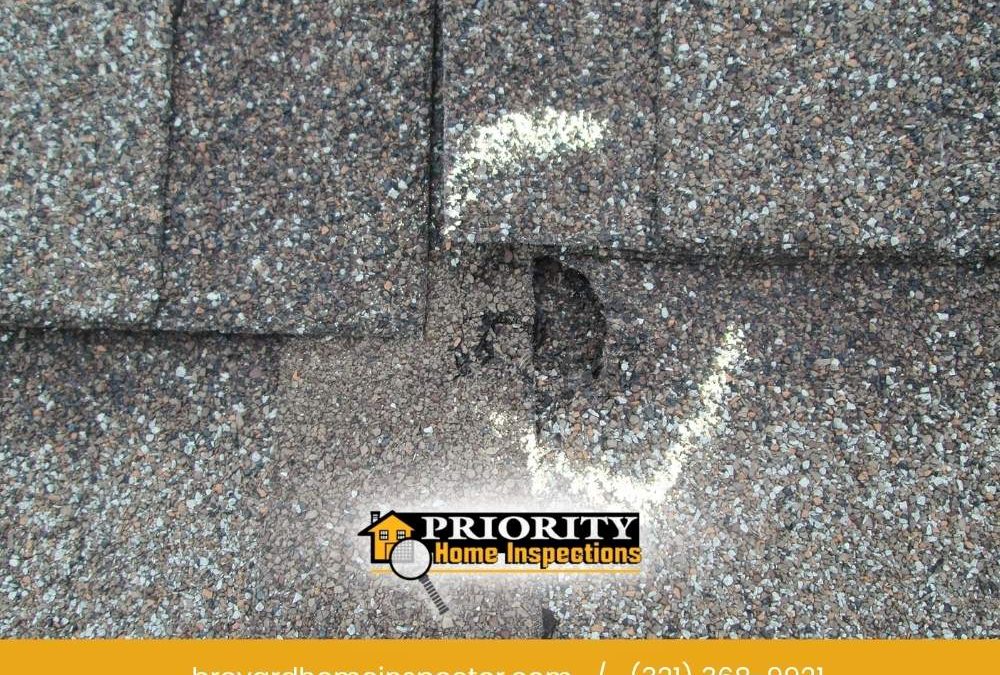
Hail typically affects roofing surfaces through impact. Common signs include:
- Small circular dents on shingles
- Granule loss on asphalt shingles
- Surface scuffing
- Cracks in tiles
- Dents in metal vents or flashing
Granules serve as a protective layer on asphalt shingles. When hail dislodges them, the underlying material becomes more vulnerable to UV exposure and weathering.
Home inspectors carefully evaluate roofing surfaces for these subtle impact indicators.
Salt Air And Coastal Corrosion
Homes in Melbourne and Brevard County are regularly exposed to salty coastal air carried inland by wind.
Salt exposure typically develops gradually rather than from a single storm event. During coastal home inspections, inspectors often notice:
- Rust forming on flashing
- Corrosion on metal fasteners
- Deterioration of metal vents
- Accelerated aging of exposed hardware
Salt air can shorten the lifespan of certain metal roofing components if maintenance is not performed regularly.
Routine inspections help identify corrosion early before structural performance is affected.
 Storm Debris And Secondary Roof Damage
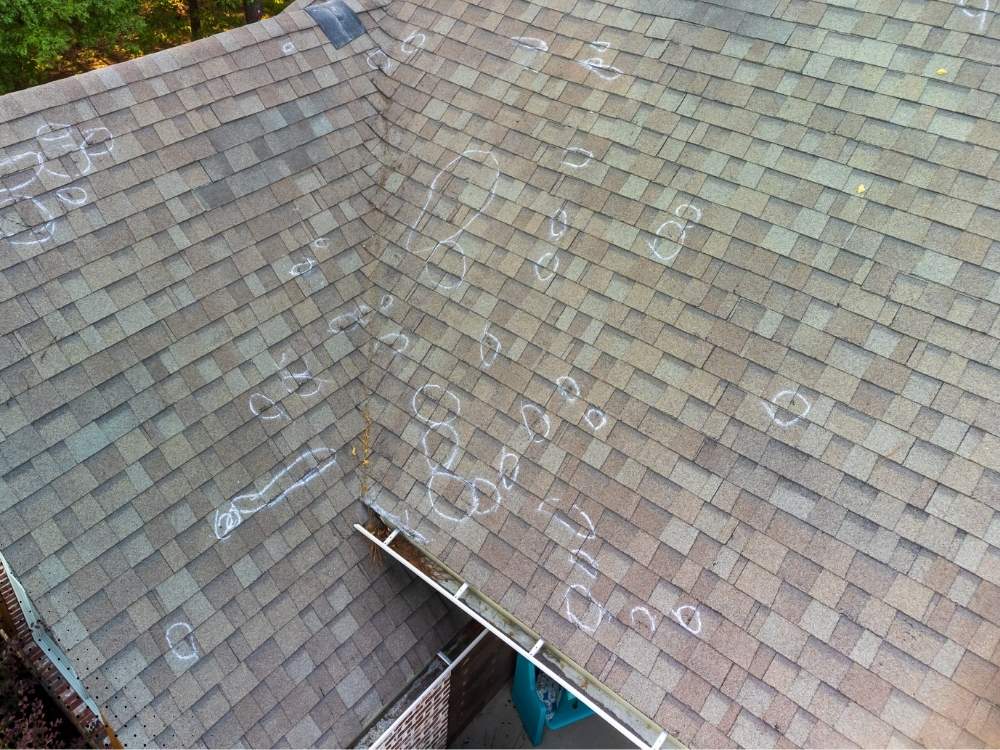
Storms can also damage roofs through flying debris such as:
- Tree branches
- Palm fronds
- Roofing fragments
- Wind-carried objects
Inspectors commonly observe:
- Broken or displaced tiles
- Scratches from impact
- Debris trapped in roof valleys
- Blocked drainage paths
Debris that remains on the roof after storms may trap moisture and contribute to gradual wear if not cleared.
Granule Loss And Aging After Severe Weather
After repeated storm cycles, asphalt shingles may show signs of accelerated aging.
Inspectors often look for:
- Excessive granules in gutters
- Bald patches on shingles
- Uneven roof coloration
- Surface cracking
Granule loss reduces UV protection and may shorten roof longevity.
While some granule shedding is normal over time, excessive loss after storms can indicate weather-related wear.
What Home Inspectors Evaluate During Roof Inspections
A professional roof inspection in Melbourne involves evaluating how the entire roofing system functions together.
During a home inspection, inspectors commonly review:
- Overall roofing material condition
- Flashing integrity at penetrations
- Drainage areas and water flow paths
- Signs of moisture intrusion
- Attic ventilation (when accessible)
Because storm damage often appears in subtle ways, homeowners may not recognize early warning signs without professional evaluation.
Wind, hail, salt air, and storm debris are part of life for homeowners along Florida’s coast. These conditions can leave behind lifted shingles, impact marks, granule loss, corrosion, or drainage issues that develop gradually over time.
By monitoring visible signs and scheduling periodic professional inspections, Melbourne homeowners can better understand their roof’s condition and address maintenance needs early.
If you live in Melbourne, schedule your home inspection with Priority Home Inspections today.
Call (321) 368-9921 or visit https://www.brevardhomeinspector.com/ to schedule your inspection today!