
If you are searching for a home inspector in Melbourne, FL, you are probably in one of two situations: you just had an offer accepted and your agent told you to get an inspection scheduled immediately, or you are preparing to list your home and you are trying to figure out what a buyer’s inspector is going to find before you are in a negotiation about it.
Either way, you need a home inspector who knows Brevard County — not just the general inspection process, but the specific structural, mechanical, and environmental challenges that show up on Space Coast properties that are nothing like what inspectors see in other parts of the country.
What A Home Inspection Covers In Melbourne, Fl
A standard home inspection is a visual examination of a property’s accessible systems and components. At Priority Home Inspections, that includes:
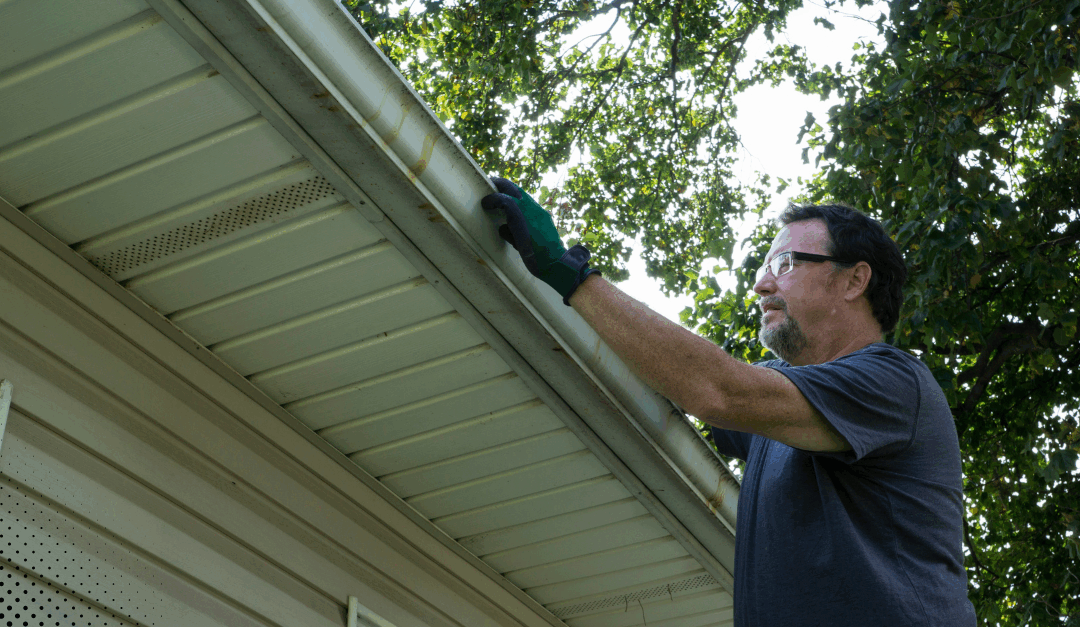
– **Roofing:** shingles, flashing, gutters, soffits and fascia, roof penetrations, visible decking condition
– **Structural components:** foundation, framing, load-bearing walls, attic structure
– **Exterior:** siding, trim, caulking, windows, doors, driveways, grading and drainage
– **HVAC systems:** air handler, condenser unit, ductwork, thermostat operation
– **Plumbing:** supply lines, drain lines, water heater, fixtures, visible pipe condition
– **Electrical:** main panel, visible wiring, outlets and switches, GFCI and AFCI protection
– **Interior:** walls, ceilings, floors, windows, doors, stairs
– **Attic and crawl space:** insulation, ventilation, visible structure, moisture indicators
The inspection produces a written report — delivered same day or next day — that documents every finding with photos and clear descriptions. You will know exactly what you are buying.
Why Brevard County Homes Have Specific Inspection Priorities
Homes on the Space Coast face a combination of stressors that buyers relocating from other states consistently underestimate. Here are the ones I see most in Melbourne and across Brevard County.
**Coastal salt air exposure.** Within five miles of the Atlantic or Indian River, salt air reaches metal components throughout a home — HVAC condenser coils, screen enclosure fasteners, garage door springs, electrical connections at exterior panels. Corrosion moves faster here than in inland markets. I look specifically for early-stage corrosion on all exterior metal components and flag systems where deferred maintenance is already becoming a cost issue.
**Hurricane preparation and storm damage.** Brevard County sits in a high-wind area. Roof installations must meet Florida’s stringent hurricane standards, and I verify that flashing, fastener patterns, and ridge construction match what the code requires. Storm shutters and impact window ratings are documented when present. On older homes, I note where the installation methods may not meet current standards — which can affect insurance ratings and negotiating leverage.
**AC system condition and age.** In Brevard County, air conditioning is not seasonal — it runs almost continuously from April through October, and is used regularly the rest of the year. A ten-year-old unit on the Space Coast has lived a harder life than a ten-year-old unit in a northern state. I document system age, visible condition of both the air handler and condenser, filter condition, condensate drainage, and duct integrity. Condensate drain line clogs are common in Florida homes and a known cause of interior water damage — I check every inspection.
**Moisture and water intrusion.** Florida’s humidity puts constant pressure on exterior caulking, window glazing, and roof penetrations. I check for staining at soffits and fascia that indicates active leaks, examine window sills for evidence of past or ongoing moisture entry, and look at bathroom and kitchen ceilings for condensation-related damage. In a coastal climate, moisture intrusion that is caught early is a minor repair. Left undetected, it becomes a mold and structural issue.
**Flood zone awareness.** Parts of Melbourne and surrounding communities sit in FEMA-designated flood zones. This affects insurance costs, buyer financing requirements, and long-term resale value. While flood zone determination is outside the scope of a standard home inspection, I note visible indicators of past flood or storm surge activity — waterlines, floor damage patterns, elevated HVAC equipment — and recommend buyers verify the property’s flood zone designation with their lender.
Should Sellers Get A Pre-Listing Inspection?
More sellers in the Brevard County market are investing in pre-listing inspections before putting their homes on the market — and the strategy makes sense.
A pre-listing inspection gives you knowledge before a buyer has leverage. You find out what a buyer’s inspector would find, and you get to decide what to repair, what to disclose, and how to price accordingly. You eliminate the surprise renegotiation after an offer is accepted. And in a competitive market, a clean pre-listing inspection report is a genuine marketing asset.
Sellers who walk into a transaction with their inspection already complete are negotiating from a position of information. That is a different position than sellers who are reacting to a buyer’s inspector at the worst possible moment.
Take the next step. Ready to schedule your inspection? Call (321) 368-9921 or visit https://www.brevardhomeinspector.com/ today!